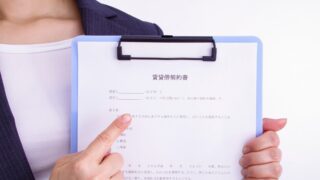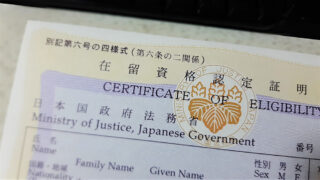


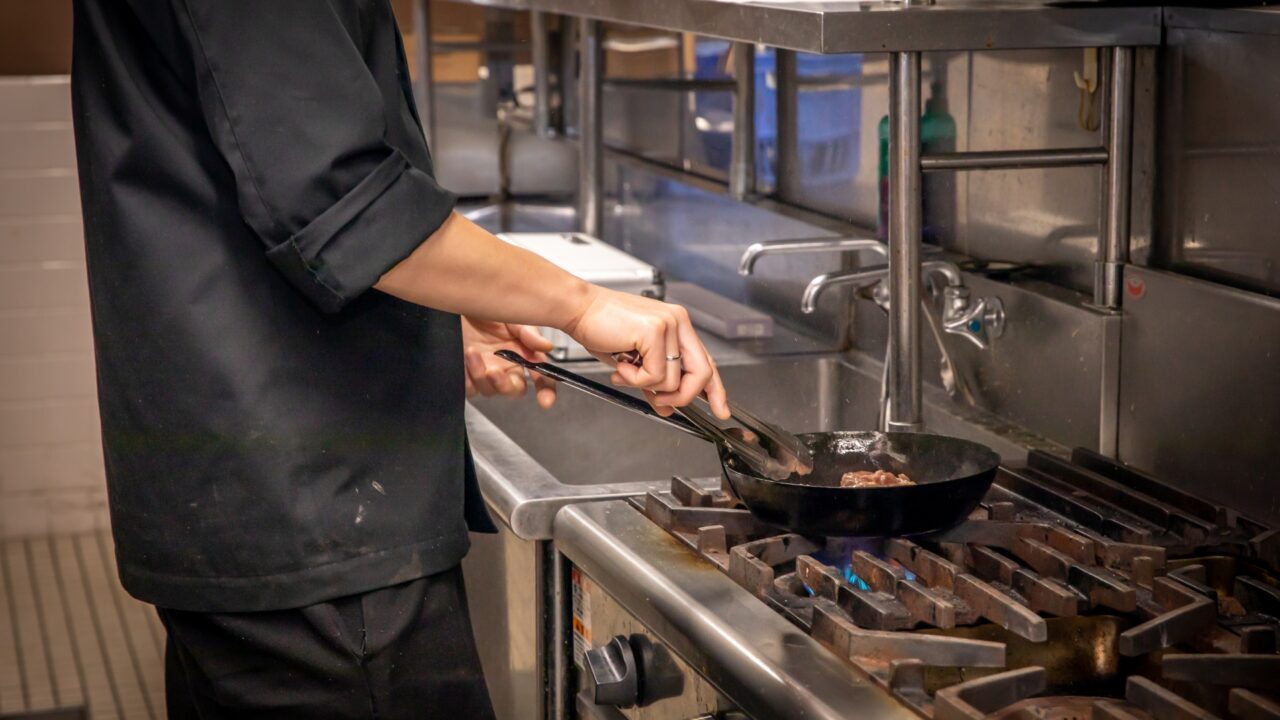
For a foreign national to open a restaurant and obtain a Business Manager visa, the application can only be approved after the restaurant is actually in a condition where it can operate. In other words, you must lease premises, secure staff to handle the cooking, serving, customer service, cleaning and other work, and obtain a “restaurant business permit” under the Food Sanitation Act.
This article explains the process and the key points for obtaining a Business Manager visa through restaurant management.
- The process for obtaining a Business Manager visa through restaurant management
- Drawing up a business plan
- Securing the premises
- Company incorporation procedures
- Obtaining a restaurant business permit at the public health center
- Applying for the Business Manager visa
- The process for obtaining a Business Manager visa through restaurant management
- Drawing up a business plan
- Securing the premises
- Company incorporation procedures
- Obtaining a restaurant business permit at the public health center
- Applying for the Business Manager visa
- In closing
- In closing
The process for obtaining a Business Manager visa through restaurant management
To obtain a Business Manager visa through restaurant management, you generally need to proceed through the following steps.
- Drawing up a business plan
- Securing the premises
- Company incorporation procedures
- Obtaining a restaurant business permit at the public health center
- Applying for the Business Manager visa
The key point is that by the stage of applying for the Business Manager visa, you must already have secured the premises and obtained the restaurant business permit.
Below we explain the points to watch out for at each stage.
Drawing up a business plan
To make a restaurant succeed, it is important to plan ahead. A concept that rests only on being “an unusual restaurant run by a foreigner” will not last. Build a solid marketing strategy, for example by seeking advice from restaurant-management professionals.
Note that when you apply for the Business Manager visa, the business plan must be reviewed by a person with specialized knowledge of business management to confirm that it is specific, reasonable and feasible. Specifically, these are the following people.
- Registered SME management consultant (chusho kigyo shindanshi)
- Certified public accountant
- Certified tax accountant (zeirishi)
Securing the premises
It is not unusual for a restaurant to take the form of a combined home and shop, but to obtain a Business Manager visa you are required to clear the business-scale requirements of
- employing at least one full-time member of staff, and
- capital of 30 million yen or more,
and therefore combining your home with the premises is, as a rule, not permitted.
Also, to obtain the restaurant business permit you must clear the standards set by the public health center. At the premises stage, prepare floor plans and interior drawings for the premises and consult in advance with the public health center that has jurisdiction over the location.
Company incorporation procedures
If you run the restaurant as a corporation, you carry out the company incorporation procedures in parallel with securing the premises. What to be careful about in incorporation is that to obtain a Business Manager visa, the amount of capital, etc. must be 30 million yen or more. For a kabushiki kaisha (stock company) this refers to the amount of paid-in capital (the stated capital); for a godo kaisha (LLC) it refers to the total amount of contributions.
Note that even when running a restaurant as a sole proprietorship, the total amount invested as necessary to run the business — such as securing the business premises, one year’s wages for the staff you employ, and equipment-investment costs — must be 30 million yen or more.
Obtaining a restaurant business permit at the public health center
After finishing the incorporation procedures, you file the restaurant business permit application at the public health center. The documents generally required at that time are roughly as follows.
- Business permit application / notification form
- Drawings showing the structure and equipment of the facility
- Proof of the food sanitation supervisor’s qualification
- Water-quality test report (where stored-tank water or well water is used)
- Certificate of registered company matters
In many cases prior consultation is mandatory for a restaurant business permit application, so please confirm the details with the person in charge at the public health center.
Two points are key in connection with obtaining the restaurant business permit.
- Securing a food sanitation supervisor
- Clearing the standards for the business facility
Let us look at each in turn.
Securing a food sanitation supervisor
Each facility must have a person holding the “food sanitation supervisor” (shokuhin eisei sekininsha) qualification, and that person’s name must be displayed inside the restaurant. To obtain the qualification you need to take a training course run by the prefecture. You take about six hours of instruction on the following subjects.
- Food hygiene
- Public health
- Food Sanitation Act
The course fee is around 10,000 yen.
The food sanitation supervisor course can be taken regardless of experience or educational background. Foreign nationals can take it too, but you must have a “residence card or special permanent resident certificate” ready for identity verification. Note that because the course is conducted in Japanese, being able to understand Japanese (reading, writing and conversation) is a prerequisite.
Also, if you already hold one of the following qualifications, you can become a food sanitation supervisor without taking the training course.
- Dietitian, registered dietitian, cook, confectionery hygiene master, poultry-slaughtering sanitation manager, a sanitation manager or work-sanitation manager as defined in the Slaughterhouse Act, or a ship’s cook
- A person qualified to become a food sanitation manager or food sanitation inspector (physician, veterinarian, dentist, pharmacist, etc.)
Standards for the business facility
In restaurant operations you cannot obtain the business permit unless you meet the permit standards for the business facility. These standards come in two kinds: “common standards” and “specific standards.” Here we use Tokyo as the example.
Common standards for the structure of the business facility
- The facility is located in a clean place
- The building has a sufficiently durable structure such as reinforced concrete, steel-reinforced concrete or stone
- The facility is partitioned with walls, boards, etc. according to the purpose of use
- The floor has a durable, well-draining and easy-to-clean structure such as tile or concrete
- The ceiling has an easy-to-clean structure
- The interior walls have a water-resistant, easy-to-clean structure up to 1 meter from the floor
- Lighting brightness is 50 lux or more
- For ventilation, equipment to remove smoke, steam, etc. is installed
- The surrounding ground is paved with water-resistant material, drains well and is easy to clean
- A clean changing room or changing lockers are provided outside the work area
Common standards for food-handling equipment
- Equipment includes machinery, utensils and containers/packaging in numbers appropriate to the volume handled
- Equipment is arranged in positions convenient for the work and easy to clean and wash
- Storage equipment can store raw materials, food and utensils hygienically
- A thermometer is installed inside refrigerators and in the kitchen
- Standards for water supply and waste disposal
- The water-supply equipment can abundantly supply tap water or water recognized as fit for drinking
- Where stored-tank water, well water, etc. is used, a water-quality test is carried out at least once a year and the report kept for one year
- Toilets are in a position and structure that does not affect the work area, provided in numbers appropriate to the staff and convenient to use, with pest-control equipment against rodents and insects, dedicated running-water hand-washing facilities and hand-disinfection facilities
- Hand-washing facilities are the same as the staff-dedicated hand-washing facilities, with a drainage channel provided in the floor
- Waste-disposal equipment has a lid, is water-resistant with a sufficiently large container, is easy to clean, and does not leak liquid waste or odor
Specific standards for restaurant businesses
- Refrigeration facilities are large enough to store food.
- There are two or more washing sinks (this does not apply where there is no sanitary problem, e.g. with automatic washing equipment).
- Hot-water supply equipment for washing and disinfection is provided.
- Ventilation equipment is provided in the guest rooms and seating area. Brightness is 10 lux or more.
- There is a toilet for customers to use, in a position and layout that does not affect the kitchen, with dedicated running-water hand-washing facilities.
Applying for the Business Manager visa
Only after all of the above procedures are complete, or once obtaining the permit is clearly in sight, does applying for the Business Manager visa become possible. Beyond the points above, here is a summary of things to watch out for when obtaining a Business Manager visa through restaurant management.
Employing staff
When running a restaurant, customer-service and cooking work arise. Under the Business Manager visa the owner is, as a rule, prohibited from performing hands-on work (customer service, cooking, sales) personally, so this hands-on work must be entrusted to staff.
Also, from October 16, 2025 (Reiwa 7) onward, employing at least one full-time member of staff is mandatory. Note that a full-time member of staff must fall into one of the following.
- Japanese national
- Special permanent resident
- Permanent resident
- Spouse or child of a Japanese national
- Spouse or child of a permanent resident
- Long-term resident
Acquiring Japanese language ability
Either the applicant or a full-time member of staff must have a considerable level of Japanese language ability. For anyone other than a Japanese national or special permanent resident, one of the following must be met.
- Certification of JLPT (Japanese-Language Proficiency Test) N2 or above
- A BJT Business Japanese Proficiency Test score of 400 or above
- Residence in Japan for 20 years or more as a mid- to long-term resident
- Graduation from a JaFor a foreign national to open a restaurant and obtain a Business Manager visa, the application can only be approved after the restaurant is actually in a condition where it can operate. In other words, you must lease premises, secure staff to handle the cooking, serving, customer service, cleaning and other work, and obtain a “restaurant business permit” under the Food Sanitation Act.
This article explains the process and the key points for obtaining a Business Manager visa through restaurant management.
The process for obtaining a Business Manager visa through restaurant management
To obtain a Business Manager visa through restaurant management, you generally need to proceed through the following steps.
- Drawing up a business plan
- Securing the premises
- Company incorporation procedures
- Obtaining a restaurant business permit at the public health center
- Applying for the Business Manager visa
The key point is that by the stage of applying for the Business Manager visa, you must already have secured the premises and obtained the restaurant business permit.
Below we explain the points to watch out for at each stage.
Drawing up a business plan
To make a restaurant succeed, it is important to plan ahead. A concept that rests only on being “an unusual restaurant run by a foreigner” will not last. Build a solid marketing strategy, for example by seeking advice from restaurant-management professionals.
Note that when you apply for the Business Manager visa, the business plan must be reviewed by a person with specialized knowledge of business management to confirm that it is specific, reasonable and feasible. Specifically, these are the following people.
- Registered SME management consultant (chusho kigyo shindanshi)
- Certified public accountant
- Certified tax accountant (zeirishi)
Securing the premises
It is not unusual for a restaurant to take the form of a combined home and shop, but to obtain a Business Manager visa you are required to clear the business-scale requirements of
- employing at least one full-time member of staff, and
- capital of 30 million yen or more,
and therefore combining your home with the premises is, as a rule, not permitted.
Also, to obtain the restaurant business permit you must clear the standards set by the public health center. At the premises stage, prepare floor plans and interior drawings for the premises and consult in advance with the public health center that has jurisdiction over the location.
Company incorporation procedures
If you run the restaurant as a corporation, you carry out the company incorporation procedures in parallel with securing the premises. What to be careful about in incorporation is that to obtain a Business Manager visa, the amount of capital, etc. must be 30 million yen or more. For a kabushiki kaisha (stock company) this refers to the amount of paid-in capital (the stated capital); for a godo kaisha (LLC) it refers to the total amount of contributions.
Note that even when running a restaurant as a sole proprietorship, the total amount invested as necessary to run the business — such as securing the business premises, one year’s wages for the staff you employ, and equipment-investment costs — must be 30 million yen or more.
Obtaining a restaurant business permit at the public health center
After finishing the incorporation procedures, you file the restaurant business permit application at the public health center. The documents generally required at that time are roughly as follows.
- Business permit application / notification form
- Drawings showing the structure and equipment of the facility
- Proof of the food sanitation supervisor’s qualification
- Water-quality test report (where stored-tank water or well water is used)
- Certificate of registered company matters
In many cases prior consultation is mandatory for a restaurant business permit application, so please confirm the details with the person in charge at the public health center.
Two points are key in connection with obtaining the restaurant business permit.
- Securing a food sanitation supervisor
- Clearing the standards for the business facility
Let us look at each in turn.
Securing a food sanitation supervisor
Each facility must have a person holding the “food sanitation supervisor” (shokuhin eisei sekininsha) qualification, and that person’s name must be displayed inside the restaurant. To obtain the qualification you need to take a training course run by the prefecture. You take about six hours of instruction on the following subjects.
- Food hygiene
- Public health
- Food Sanitation Act
The course fee is around 10,000 yen.
The food sanitation supervisor course can be taken regardless of experience or educational background. Foreign nationals can take it too, but you must have a “residence card or special permanent resident certificate” ready for identity verification. Note that because the course is conducted in Japanese, being able to understand Japanese (reading, writing and conversation) is a prerequisite.
Also, if you already hold one of the following qualifications, you can become a food sanitation supervisor without taking the training course.
- Dietitian, registered dietitian, cook, confectionery hygiene master, poultry-slaughtering sanitation manager, a sanitation manager or work-sanitation manager as defined in the Slaughterhouse Act, or a ship’s cook
- A person qualified to become a food sanitation manager or food sanitation inspector (physician, veterinarian, dentist, pharmacist, etc.)
Standards for the business facility
In restaurant operations you cannot obtain the business permit unless you meet the permit standards for the business facility. These standards come in two kinds: “common standards” and “specific standards.” Here we use Tokyo as the example.
Common standards for the structure of the business facility
- The facility is located in a clean place
- The building has a sufficiently durable structure such as reinforced concrete, steel-reinforced concrete or stone
- The facility is partitioned with walls, boards, etc. according to the purpose of use
- The floor has a durable, well-draining and easy-to-clean structure such as tile or concrete
- The ceiling has an easy-to-clean structure
- The interior walls have a water-resistant, easy-to-clean structure up to 1 meter from the floor
- Lighting brightness is 50 lux or more
- For ventilation, equipment to remove smoke, steam, etc. is installed
- The surrounding ground is paved with water-resistant material, drains well and is easy to clean
- A clean changing room or changing lockers are provided outside the work area
Common standards for food-handling equipment
- Equipment includes machinery, utensils and containers/packaging in numbers appropriate to the volume handled
- Equipment is arranged in positions convenient for the work and easy to clean and wash
- Storage equipment can store raw materials, food and utensils hygienically
- A thermometer is installed inside refrigerators and in the kitchen
- Standards for water supply and waste disposal
- The water-supply equipment can abundantly supply tap water or water recognized as fit for drinking
- Where stored-tank water, well water, etc. is used, a water-quality test is carried out at least once a year and the report kept for one year
- Toilets are in a position and structure that does not affect the work area, provided in numbers appropriate to the staff and convenient to use, with pest-control equipment against rodents and insects, dedicated running-water hand-washing facilities and hand-disinfection facilities
- Hand-washing facilities are the same as the staff-dedicated hand-washing facilities, with a drainage channel provided in the floor
- Waste-disposal equipment has a lid, is water-resistant with a sufficiently large container, is easy to clean, and does not leak liquid waste or odor
Specific standards for restaurant businesses
- Refrigeration facilities are large enough to store food.
- There are two or more washing sinks (this does not apply where there is no sanitary problem, e.g. with automatic washing equipment).
- Hot-water supply equipment for washing and disinfection is provided.
- Ventilation equipment is provided in the guest rooms and seating area. Brightness is 10 lux or more.
- There is a toilet for customers to use, in a position and layout that does not affect the kitchen, with dedicated running-water hand-washing facilities.
Applying for the Business Manager visa
Only after all of the above procedures are complete, or once obtaining the permit is clearly in sight, does applying for the Business Manager visa become possible. Beyond the points above, here is a summary of things to watch out for when obtaining a Business Manager visa through restaurant management.
Employing staff
When running a restaurant, customer-service and cooking work arise. Under the Business Manager visa the owner is, as a rule, prohibited from performing hands-on work (customer service, cooking, sales) personally, so this hands-on work must be entrusted to staff.
Also, from October 16, 2025 (Reiwa 7) onward, employing at least one full-time member of staff is mandatory. Note that a full-time member of staff must fall into one of the following.
- Japanese national
- Special permanent resident
- Permanent resident
- Spouse or child of a Japanese national
- Spouse or child of a permanent resident
- Long-term resident
Acquiring Japanese language ability
Either the applicant or a full-time member of staff must have a considerable level of Japanese language ability. For anyone other than a Japanese national or special permanent resident, one of the following must be met.
- Certification of JLPT (Japanese-Language Proficiency Test) N2 or above
- A BJT Business Japanese Proficiency Test score of 400 or above
- Residence in Japan for 20 years or more as a mid- to long-term resident
- Graduation from a Japanese higher-education institution such as a university
- Completion of Japanese compulsory education and graduation from high school
Meeting the background (education / work-history) requirements
The applicant must have education or experience related to business management. Specifically, one of the following.
- Holding a doctoral, master’s or professional degree in a field relating to the technology or knowledge required for business management/administration or for the business to which the application relates
- Having three or more years of experience in the management or administration of a business
In closing
Those who wish to obtain a Business Manager visa and run a restaurant will spend a great deal of time on advance preparation, so you need to plan and schedule systematically, working backward from your opening date. In addition, from October 16, 2025 (Reiwa 7) onward, employing at least one full-time member of staff becomes mandatory and capital of 30 million yen or more becomes necessary, so the hurdles have become very high. Obtaining a Business Manager visa for the purpose of restaurant operation without professional support has become difficult, so we recommend consulting a professional such as an administrative scrivener (gyoseishoshi).
- Holding a doctoral, master’s or professional degree in a field relating to the technology or knowledge required for business management/administration or for the business to which the application relates
- Having three or more years of experience in the management or administration of a business
In closing
Those who wish to obtain a Business Manager visa and run a restaurant will spend a great deal of time on advance preparation, so you need to plan and schedule systematically, working backward from your opening date. In addition, from October 16, 2025 (Reiwa 7) onward, employing at least one full-time member of staff becomes mandatory and capital of 30 million yen or more becomes necessary, so the hurdles have become very high. Obtaining a Business Manager visa for the purpose of restaurant operation without professional support has become difficult, so we recommend consulting a professional such as an administrative scrivener (gyoseishoshi).